Wae Rebo Village: How to Get There & What to Expect in 2026
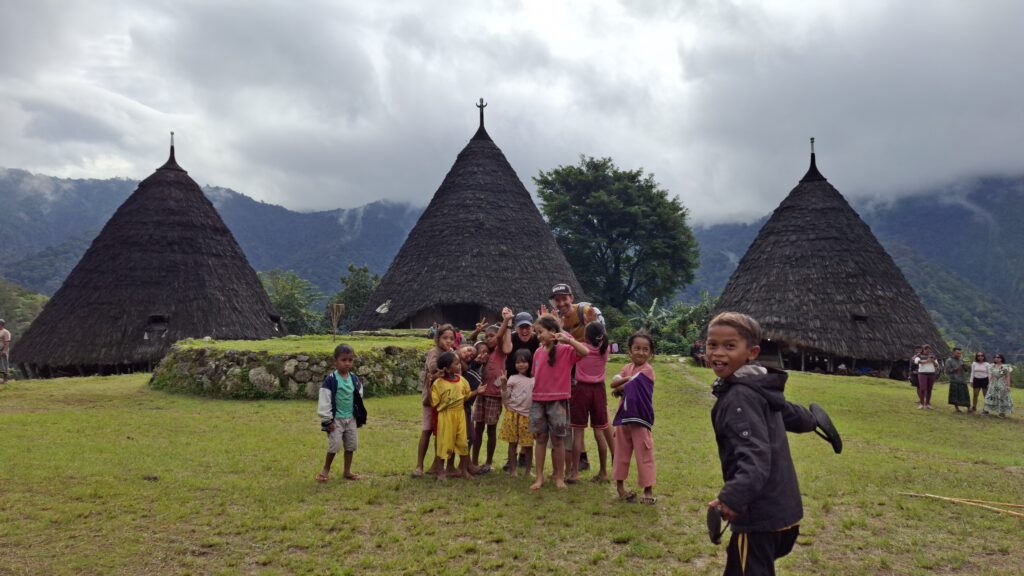
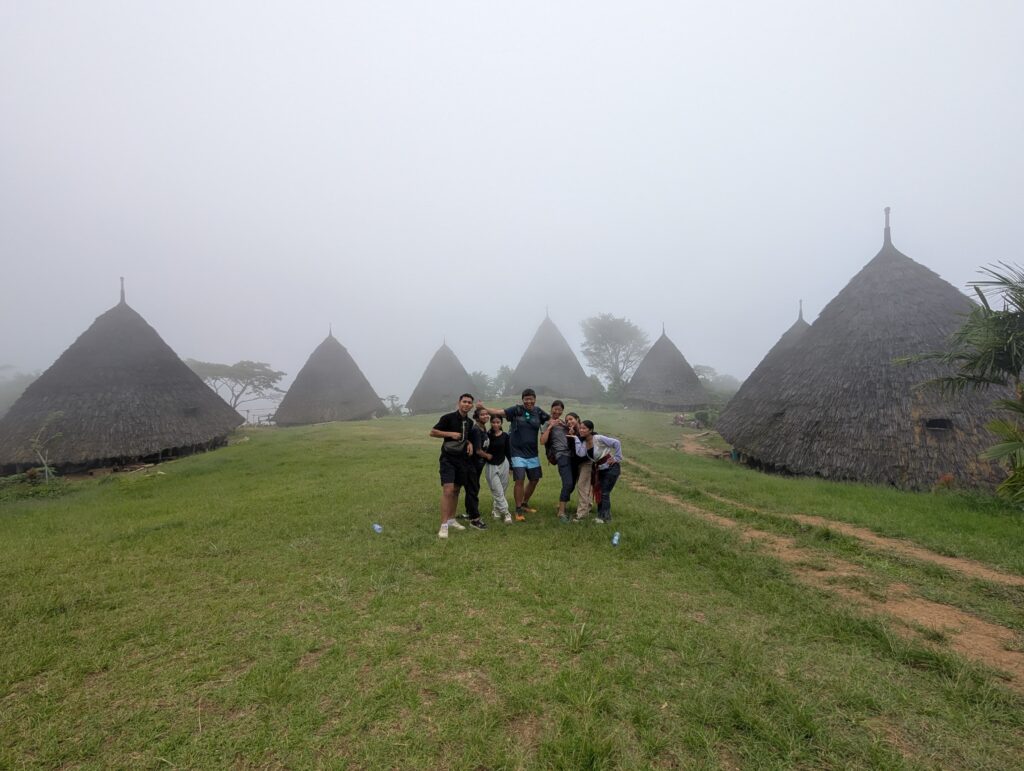
Tucked away in the misty mountains of central Flores, Wae Rebo is one of Indonesia’s most remarkable traditional villages. Seven cone-shaped communal houses — known as Mbaru Niang — rise above the clouds at an altitude of around 1,200 metres, and the people of Wae Rebo have preserved their ancestral way of life for generations. Getting there requires a multi-hour trek through tropical rainforest, and that effort is precisely what keeps the village authentic and uncrowded. If you make the journey, Wae Rebo will almost certainly become one of the highlights of your time in Indonesia. Where is Wae Rebo? Wae Rebo is located in the Manggarai Regency of Flores, in the mountains above the village of Denge. By road, it is approximately 60–70 kilometres south of Ruteng — around 2.5 to 3 hours by car, depending on road conditions. From Labuan Bajo, the drive to the trailhead takes about 4 to 5 hours, making it a long but rewarding journey — ideally as an overnight trip. As you leave the main road and head toward Denge, the scenery becomes increasingly beautiful — quiet, remote, and surrounded by rolling hills and forest. It’s a peaceful drive that already feels like part of the experience. If you’re comfortable riding, this route is also completely doable by motorbike and can be a great option for independent travelers. If you start early from Labuan Bajo, consider stopping at Cunca Wulang Waterfall for a refreshing swim to begin your day. Upon arrival at Denge, you will likely be offered an ojek (motorbike taxi) to reach the trekking starting point. The typical cost is around IDR 100,000 for a return trip. The Trek to Wae Rebo From the trailhead at Denge, the hike to Wae Rebo takes approximately 2 to 3 hours, depending on your pace and fitness level. The trail climbs steadily through dense jungle, bamboo forest, and coffee plantations. Some sections are steep, but the path is well-marked, and local guides are available at the starting point. Wear comfortable hiking shoes with good grip and bring enough water — you can refill it once you arrive at the village. The views along the way are beautiful, but the moment the village appears through the mist at the top is truly magical. What to Expect at the Village Upon arrival, visitors are first invited into the main house — the largest cone-shaped structure at the center of the village. Here, you will be welcomed through a traditional Manggarai ceremony. A village elder will greet you and introduce you to the ancestors, asking for their blessing. Once the ritual is completed, you are considered part of the village — welcomed and free to explore respectfully. Don’t hesitate to interact with the locals; the community is warm and happy to share their way of life. The village is home to around 1,000 people across the seven Mbaru Niang houses. Each structure rises up to five levels, with the ground floor used for living and the upper levels for storage. The architecture is extraordinary — built entirely without nails, using only natural materials and traditional techniques. Visitors are welcome to walk around, observe daily life, and speak with villagers. Photography is allowed, but always ask permission before taking photos of people. Staying Overnight at Wae Rebo Spending the night in Wae Rebo is highly recommended. You can share a simple dinner with the villagers, sleep inside a Mbaru Niang on simple mats, and wake early to watch the sunrise over the mountains — one of the most unforgettable sights in Flores. On clear nights, it’s worth staying awake a little longer. After 10 pm, when the lights are turned off and the village falls into complete darkness, the sky reveals itself in full. The stars are incredibly bright, and the Milky Way is often visible. Accommodation is basic but clean. You will sleep on mats on the wooden floor of a communal house. Meals — simple but nourishing — are prepared by the villagers and are included in the overnight fee. Practical Tips The best time to visit is during the dry season (April to November). During the rainy season, the trail can become slippery and more challenging. As the village sits above the clouds, temperatures can be cool even during the day — bring a light jacket. Mobile network coverage is non-existent in Wae Rebo, so take the opportunity to fully disconnect. A visit with a local guide offers deep understands of the area and can facilitate respectful interaction with the community. Hiring a guide from Labuan Bajo or Ruteng who has an existing relationship with the village can greatly enhance your experience. Local Guide Beta Komodo What to Do After Wae Rebo After your time in Wae Rebo, you have two great options depending on your travel style and itinerary. You can return the same way back to Labuan Bajo, which is ideal if you’re short on time or continuing your journey to Komodo National Park. The drive back offers another chance to take in the quiet landscapes and scenic roads of western Flores. Alternatively, continue east toward Ruteng for a deeper exploration of Flores. Along the way, stop at the unique Cancar Spider Web Rice Fields, where traditional rice paddies form intricate circular patterns and deeply connected to Manggaraian people way of life. You can also visit Liang Bua Cave, famous for the discovery of the “Hobbit” fossils, or explore the local market in Ruteng for a glimpse into everyday life. Spending a night in Ruteng is a great way to break up the journey and experience a different side of Flores. Explore Flores with Beta Komodo → Packing Advice Light, breathable clothing for on the way and hiking activity; A warm layer for the village; Proper shoes for trekking; Rain jacket (especially November–March); Flip flop and flash light; Small backpack; Tips for a Responsible Visit Do not touch or feed the wildlife. Minimize single-use plastic during your visit. Always use refillable