Featured

Featured, Travel Tips

How Many Days Do You Need in Flores? (Honest Guide for 2026)

It is one of the most common questions travellers ask before visiting: how many days do I actually need in Flores? The honest answer is — more than you think. Flores is a long, mountainous island — roughly 360 kilometres from end to end — and getting between destinations takes time. Roads wind through dramatic highland scenery, and many of the most rewarding places require a little effort to reach. But that is exactly what makes Flores so special. This is not a place you rush through. Here is a realistic breakdown of what you can experience in different timeframes. 3 Days in Flores — Labuan Bajo & Komodo National Park Three days gives you time to explore Labuan Bajo and take a 1–2 day trip into Komodo National Park. You can trek on Komodo Island or Rinca Island to see the dragons, snorkel at Pink Beach, hike Padar Island, and — if conditions allow — swim with manta rays. This is enough to experience the highlights and is ideal if you are short on time or combining Flores with Bali. However, you won’t have the opportunity to explore further into the island. 5 Days in Flores — Adding Culture & Highlands With five days, your journey begins to feel more immersive. After exploring Komodo, you can travel inland to Ruteng — a cool highland town known for its culture and surrounding landscapes — before continuing to Wae Rebo. Here, you can trek through rainforest and spend the night in a traditional village, staying inside one of the iconic Mbaru Niang houses. Along the way, you can also visit the unique Cancar Spider Web Rice Fields. 7 Days in Flores — The Overland Sweet Spot A week is where Flores begins to reveal itself fully. Traveling from Labuan Bajo across the island to Bajawa, you’ll experience changing landscapes and deeper cultural encounters. Visit traditional Ngada villages such as Bena and Luba, relax in natural hot springs, and, if you’re feeling adventurous, hike Mount Inerie. Seven days offers the best balance — enough to see the highlights without rushing, while still allowing time to slow down and take it all in. 10 Days in Flores — The Full Journey With ten days, you can complete the full overland crossing of Flores, ending at Kelimutu National Park near Ende. This is the most complete way to experience the island — watching the scenery shift from coastal landscapes to misty highlands and volcanic terrain. Along the way, you can explore quieter regions like Riung and the stunning Riung 17 Islands Marine Park. This is the journey that transforms a visit into a deeper connection with Flores. Suggested Flores Itineraries If you’re wondering how to structure your trip, here are two realistic routes designed to balance travel time, experiences, and pace. Check Out Beta Komodo Signature Journey & Pricing → 7 Days — Essential Route Day 1–2 — Labuan Bajo & Komodo National ParkDay 3 — Labuan Bajo → Wae ReboDay 4 — Wae Rebo → RutengDay 5 — Ruteng → BajawaDay 6 — Bajawa → EndeDay 7 — Kelimutu National Park → departure 10 Days — Full Experience Day 1–3 — Labuan Bajo & Komodo National ParkDay 4 — Labuan Bajo → Wae ReboDay 5 — Wae Rebo → RutengDay 6 — Ruteng → RiungDay 7 — Riung → BajawaDay 8 — BajawaDay 9 — Bajawa → MoniDay 10 — Kelimutu National Park → departure Going Beyond the Main Route While these routes cover the highlights, some of the most meaningful experiences in Flores happen beyond them. Across the island, small villages continue to follow ancient traditions. If your timing is right, you may have the rare opportunity to witness a local ceremony — not something staged for visitors, but a genuine part of community life. These moments offer a deeper connection to the culture and often become the most memorable part of the journey. Because ceremonies follow traditional calendars, they are not always predictable. Booking your trip in advance — while allowing some flexibility — gives you the best chance of experiencing one. Local guides with strong community connections often have insight into when ceremonies may take place and can help adjust your route along the way. Hidden waterfalls, quiet viewpoints, and remote villages are also part of Flores’ charm — places you won’t always find on a map, but which often define the experience. About Beta Komodo → A Thought Before You Plan Flores is not a destination to rush. The distances are long, the roads are winding, and the beauty of the island reveals itself slowly — in quiet villages, mountain views, and unexpected moments along the way. If you’re considering a journey like this and would like a bit of local insight — whether it’s refining your route, discovering hidden places, or simply making the logistics smoother. Tour Inquiry — BetaKomodo If you’d like a little help of organizing your visit, feel free to reach out. Talk to A Local Guide First name Last name Date of visit Number of visitors Select…123456789101112 Email address Message submit Thank you! I’ve received your inquiry and will be in touch shortly. Kind Regards, Rio – Beta Komodo Please fill in all required fields with a valid email.
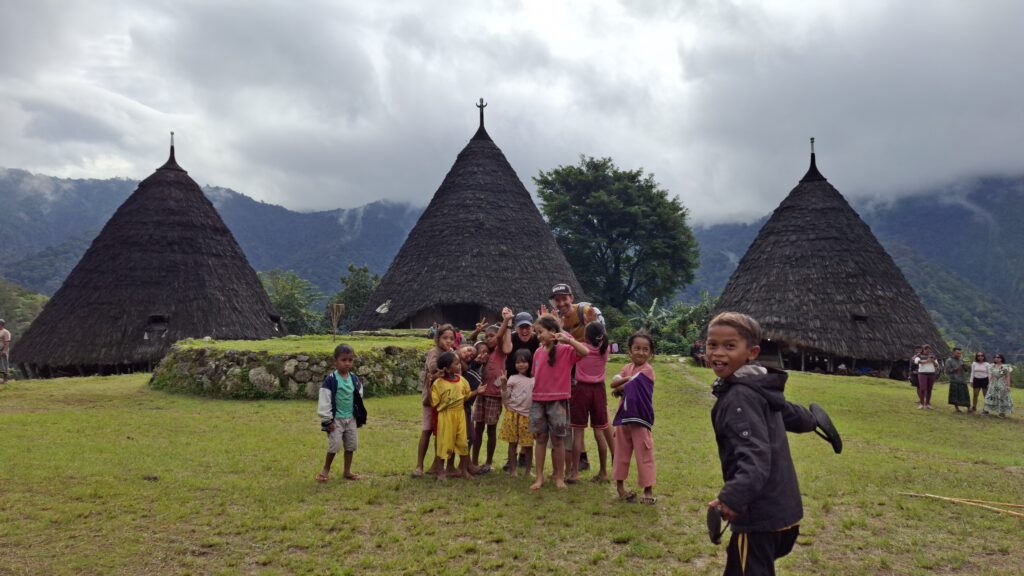
kids in wae rebo traditional village enjoy their holiday with visitors
Featured, Flores Overland Guide

Flores Overland Travel Guide 2026

Across a landscape shaped by volcanoes, culture, and time There is a different rhythm to Flores Island. It isn’t found in a single destination, but somewhere along the road — where the air cools as you climb into the mountains, where villages appear quietly between hills, and where each turn reveals something you didn’t expect. Flores is not a place you visit.It is a place you move through — slowly, deliberately — allowing the journey to unfold. What is a Flores Overland Journey? A journey across Flores typically connects Labuan Bajo in the west to Kelimutu National Park in the east. It is less about ticking destinations off a list — and more about understanding the island through its landscapes, its people, and the quiet moments in between. Best Time to Visit Flores Flores can be explored year-round, but each season brings a different mood to the journey: April to June → lush green landscapes, waterfalls at their best, fewer travelers; July to August → dry season, clearer skies, but busier on the road; September to October → golden hills, dramatic light, ideal for photography; November to March → unpredictable heavy rain, quieter villages, more local atmosphere. Unlike coastal destinations, timing here shapes the color and texture of the land — not access. How to Travel Across Flores Private car + driver → most comfortable and flexible (IDR 750k – IDR 1250k per day); Private car + guide-driver → adds cultural depth and storytelling (IDR 1250k – IDR 2000k per day); Motorbike → freedom, but requires experience and stamina (IDR 75k – IDR 150k per day); Public transport (with Gunung Mas Travel) → not ideal; limited to main roads and misses key experiences (IDR 100k – IDR 200k from one regency to another). Flores Overland Journey with Beta Komodo → How Many Days to Spend 3–4 days → fast-paced highlights; 5–7 days → ideal balance; 8+ days → deeper & slower pace exploration. The Route (West to East) 1. Labuan Bajo → Wae Rebo → Ruteng Leaving Labuan Bajo, the journey quickly turns inland. High in the mountains lies Wae Rebo Traditional Village — a remote village of cone-shaped houses, reached only by trekking. Spending a night here is less about comfort, and more about connection. Continuing to Ruteng, the air cools, and the landscape softens. Nearby, the spider-web patterns of Lingko Rice Fields stretch across the hills — a reflection of both tradition and ingenuity. For those drawn to history, this region is also linked to Homo floresiensis, discovered in nearby caves — a reminder that Flores has always been a place of mystery. Where to Eat in Ruteng Chacha Resto — good food, reliable, central, and comforting after long drives; Warung D’Joice — a surprising Balinese touch in the highlands; Spring Hill — one of the better Chinese food options in town; 2. Ruteng → Bajawa The road east is long, winding, and deeply scenic. A worthwhile stop along the way is Siquarra Resto — a simple but well-loved place to pause and eat. Along this stretch, you can also visit quieter traditional villages like Belaraghi, or trek to Tololela for a more remote experience. As the highlands of Flores cool and the mist rolls in, where you stay becomes part of the journey. Perched above the jungle, Manulalu Jungle Stays offers breathtaking views and peaceful mornings above the clouds, while nearby Heavens Door is perfect for a relaxed meal and sunset. For a simpler stay, local homestays in Bajawa offer warmth, authenticity, and a closer connection to daily life. Whether you choose comfort or simplicity, Bajawa invites you to slow down and experience Flores at its most genuine. 3. Bajawa & Mount Inerie Arriving in Bajawa, culture and landscape come together. Villages like Bena Traditional Village continue to preserve ancestral ways of life. Above it all rises Mount Inerie — a near-perfect volcanic cone. The hike is steep and demanding, but reaching the summit at sunrise is deeply rewarding. After the climb, soaking in the natural pools of Malanage Hot Spring is almost essential. Before leaving Bajawa, a short stop at Watu Nari Wowo offers a final look back at Mount Inerie — a quiet moment to take in what you’ve just experienced. Where to Eat in Bajawa Taman Kartini Restaurant — local flavors in a relaxed setting Milonari Restaurant — simple and satisfying If staying at Manulalu Jungle, the Heavens Door Restaurant offers both good food and unforgettable views 4. Bajawa → Riung Heading north, the atmosphere shifts once again. Riung 17 Islands Marine Park is one of Flores’ quietest treasures — calm waters, empty beaches, and a slower, more unhurried pace of life. Here, the experience feels more personal, more local.  5. Riung → Ende → Moni Back on the main route, the road leads toward Ende. A stop at Wolopaku Coffee Plantation reveals a different side of Flores — where people truly understand their craft, and coffee is treated with care and knowledge. For those with more time, detours to Nggela Village or Koka Beach add even more depth — from cultural immersion to untouched coastline. 6. Moni & Kelimutu Back on the main route, the road leads toward Ende. For those with more time, detours to Nggela Village or Koka Beach add even more depth — from cultural immersion to untouched coastline. Flores Cultural Journey with Beta Komodo → Where to Stay Along the Way Ruteng Chacha Homestay Sun Rice Homestay Spring Hill Hotel Bajawa Manulalu Jungle Local homestays in Bajawa Ende / Moni Gecko Homestay Farila Guesthouse Riung Riung Guesthouse Island camping for a more adventurous experience Packing Advice Flores rewards those who come prepared — not with luxury, but with variety. Bring: Light, breathable clothing for hot coastal areas; A warm layer for cooler highlands (Ruteng, Bajawa, Moni); Proper shoes for trekking (Wae Rebo, Inerie, Kelimutu); Rain jacket (especially November–March); Flip flop and flash light; Reef-safe sunscreen and insect repellent; Small backpack for daily essentials; Comfort here comes from preparation, not excess.

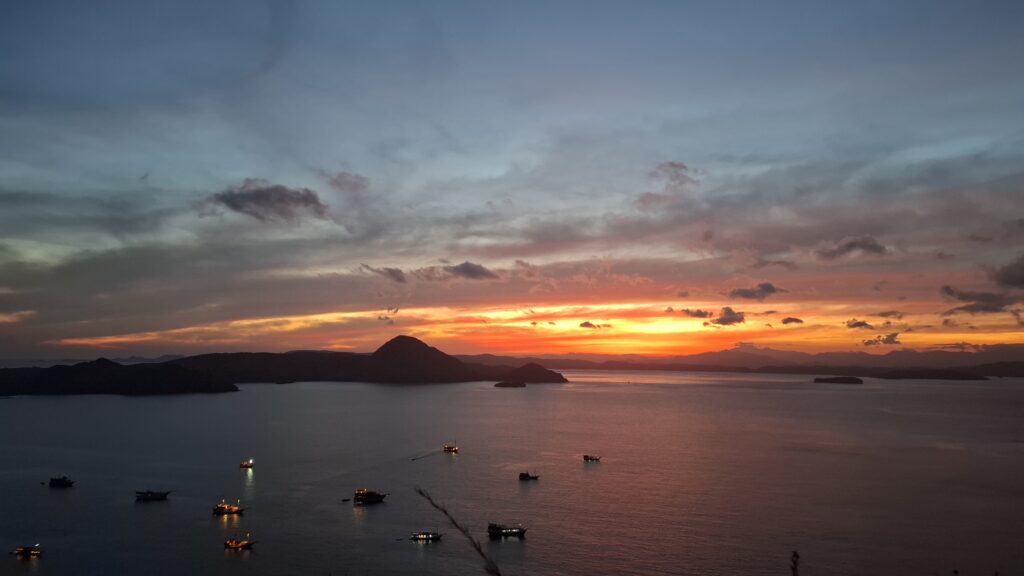
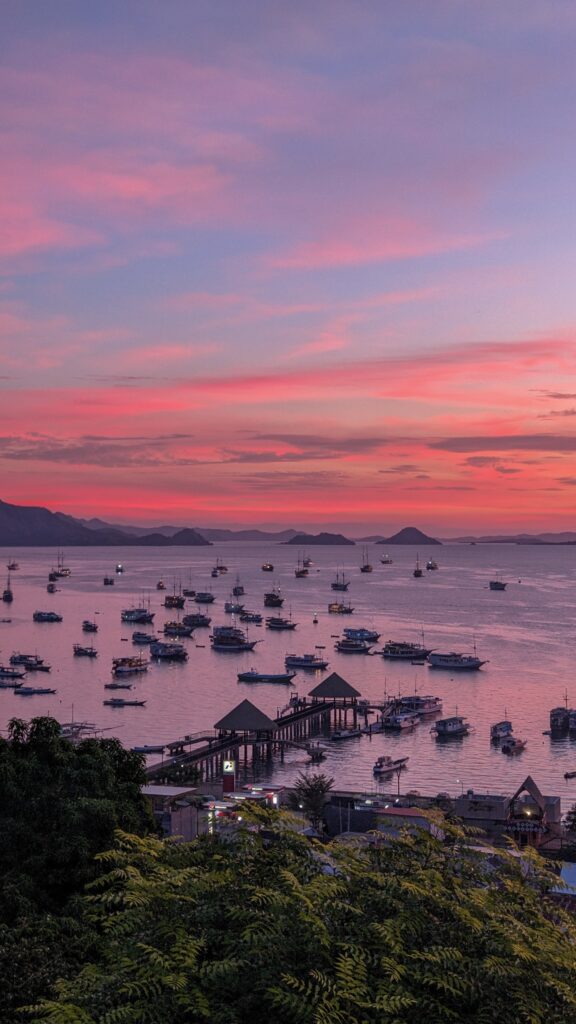
sunset in labuan bajo
Featured, Labuan Bajo Travel Guide

Labuan Bajo Travel Guide 2026: Where Flores begins – and the Komodo journey unfolds

There is a moment in Labuan Bajo — just before sunset — when the harbor turns gold. Wooden boats drift slowly across the water, the hills glow in soft light, and beyond the horizon, the islands of Komodo National Park begin to fade into silhouette. Not long ago, this was a quiet fishing village at the edge of Flores. Today, it has transformed into one of Indonesia’s most compelling destinations — a place where raw nature meets a growing sense of understated luxury. Whether you are here as a gateway to Komodo or planning to stay a few days and explore, Labuan Bajo has quietly become a destination worth experiencing in its own right. How to Get to Labuan Bajo Labuan Bajo is served by Komodo Airport (LBJ), with daily direct flights from Bali (around 1.5 hours), Jakarta (around 3 hours), Surabaya, Lombok, and Kupang. Seasonal international routes from Kuala Lumpur and Singapore are also expected to continue expanding. From the airport, the town center is only about 10 minutes away. A short taxi ride, an ojek, or a pre-arranged hotel transfer will bring you straight to the harbor. Best Time to Visit Labuan Bajo Labuan Bajo itself enjoys a warm, tropical climate year-round, but timing still shapes your experience: April to June → green landscapes, fewer crowds, calm conditions. July to August → peak season, lively atmosphere, higher prices. September to October → dry, golden hills, beautiful light for sunsets. December to February → occasional rain, quieter town, slower pace. How Many Days to Spend 2–3 days → enough for a Komodo trip and a quick look around 4–5 days → a more balanced pace with inland exploration 6+ days → combine with a deeper Flores journey Best Things to Do in Labuan Bajo Island Hopping in Komodo A day trip into Komodo National Park remains the highlight — dramatic islands, pink beaches, and encounters with Komodo dragons. If you have time, extend your day to include Kalong Island at sunset, where thousands of bats take flight across the sky. Inland Exploration Just beyond the harbor, Flores reveals a different side. Ride out early to Cunca Rami Waterfall, hidden deep in the hills, or continue further to Snake Cave, a more remote and adventurous journey about two hours from town. Snorkeling Close to Town For something quieter and less crowded, head to Sabolo Island and Burung Island. A private boat (around 1.5–2 million IDR) takes you to clear water, coral reefs, and empty beaches — a completely different atmosphere from the main Komodo routes. Alternative Routes via Warloka From Warloka fisherman village, you can access a softer version of Komodo: Rinca Island Manjarite snorkeling spot Kalong Island Sunset Rituals Climb up to Sylvia Hill or Amelia Hill, or simply find a quiet spot overlooking the harbor. For something more relaxed, the beach at Sylvia Resort is open to visitors — order a drink, sit by the water, and watch the light fade. Where to Eat in Labuan Bajo Food in Labuan Bajo is still rooted in simplicity — and that’s exactly where its charm lies. Local warungs serve freshly grilled fish (ikan bakar), nasi goreng, and plecing kangkung, often prepared just hours after the catch arrives at the harbor. Seafood here is exceptionally fresh — it often comes straight from the morning boats. For something distinctly local: Saiyo Corner — for affordable rich Padang-style dishes; Kopi Mane — for affordable coffee and casual meals. For a more elevated evening, hilltop restaurants around town offer sunset views paired with cocktails — a quiet ritual that has become part of Labuan Bajo’s rhythm. Where to Stay Accommodation ranges from simple homestays to refined resorts overlooking the sea. Luxury options like AYANA Komodo Waecicu Beach, Sudamala Resort Labuan Bajo, and Katamaran Hotel & Resort Komodo offer a more elevated experience. Mid-range stays such as Seaesta and Puri Sari balance comfort and value. For a more local and intimate stay, homestays like D’Valeri, Inang Amang, and D’Flora Homestay offer a warm, personal atmosphere. For direct beach access, Sylvia Resort remains one of the most convenient options. Booking ahead is essential during July and August. Getting Around & Costs Labuan Bajo is small, but exploring beyond town requires some planning. Car + driver (full day): ~700,000 – 1,000,000 IDR Motorbike rental: ~75,000 – 150,000 IDR per day Other costs: Komodo day trip: ~1,200,000 – 2,500,000 IDR Private boat: significantly higher Meals: 30,000 – 250,000 IDR Hotels: 200,000 – 6,000,000+ IDR Practical Information Currency: Indonesian Rupiah (IDR). ATMs are available but can run out — bring some cash. Language: Indonesian is widely spoken; English is common in tourism. SIM Cards: Telkomsel and XL offer reliable coverage in town. Safety: Generally very safe. Use common sense and choose licensed operators Updated Regulations (2026) Visiting Komodo National Park now requires a bit more planning: Entry to Komodo National Park are now strictly limited to 1000 visitors per day. Entry ticket can be reserved via SiOra App. Rangers are mandatory on Komodo and Rinca islands Chat Beta Komodo for Your Park Entry Enquiry → A Simple 3-Day Itinerary Day 1 — Arrival & Land ExplorationArrive early, head inland to waterfalls or cultural spots, and end the day with sunset over the harbor. Day 2 — Komodo National ParkFull-day island hopping. If timing allows, include Kalong Island at sunset. Day 3 — DepartureA slow morning, coffee by the sea, and a short drive back to the airport. Check Out Beta Komodo’s Signature Journey → Final Thoughts on Labuan Bajo Labuan Bajo is no longer just a starting point. It is a place where journeys begin — but also where you might want to pause. Stay a little longer, go a little deeper, and you’ll find that beyond the famous islands, there is a quieter, richer experience waiting. Explore Flores with Beta Komodo → Tips for a Responsible Visit Do not touch or feed the wildlife. Do net step on coral while snorkeling or diving. Minimize single-use plastic during

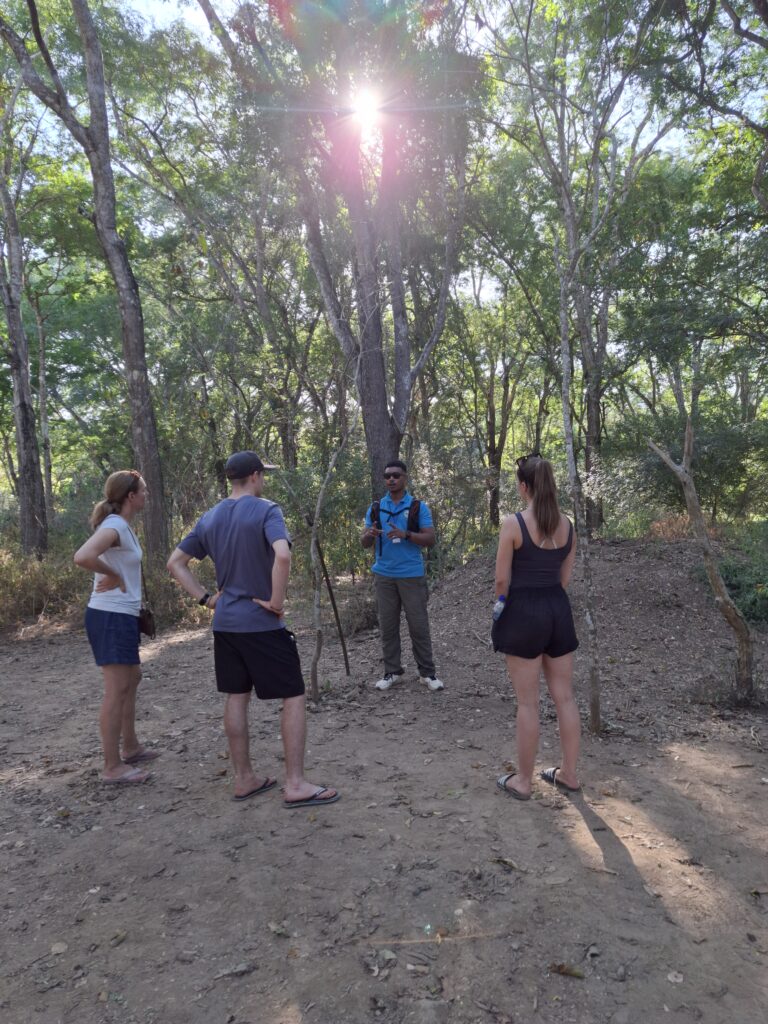
Komodo National Park ranger guiding a group of guests on Komodo Island
Komodo National Park Guide, Featured

How to Visit Komodo National Park: Complete Guide 2026

Komodo National Park is one of the most extraordinary places on Earth. Home to the famous Komodo dragon, pristine coral reefs, dramatic volcanic landscapes, and some of the best diving spots in Southeast Asia, it draws tens of thousands of visitors every year — and for good reason. But visiting Komodo in 2026 requires a little more planning than it used to. New regulations and permit systems have been introduced to protect this UNESCO World Heritage Site. This guide will walk you through everything you need to know. Where is Komodo National Park? Komodo National Park is located in eastern Indonesia, straddling the border between the provinces of East Nusa Tenggara and West Nusa Tenggara. It encompasses three main islands — Komodo, Rinca, and Padar — along with dozens of smaller islands and surrounding waters. The main gateway to the park is Labuan Bajo, a small harbour town on the western tip of Flores Island. Most visitors fly into Komodo Airport (LBJ) and then join day trips or liveaboard sailing trips into the national park. Getting to Labuan Bajo There are daily flights to labuan Bajo from Bali (Denpasar), Jakarta, and other major Indonesian cities. There are also direct international flights from Kuala Lumpur (Malaysia) and Singapore. The flight from Bali takes about 1.5 hours. Airlines including Garuda Indonesia, Air Asia, Lion Air, and Batik Air operate this route regularly. From Labuan Bajo, you reach the national park by boat. Day trips typically depart in the morning and return by afternoon. Alternatively, multi – day sailing trips allow you to explore the park at your own pace, sleep under the stars, and reach more locations. What to See Inside the National Park Komodo Island This is the original home of the Komodo dragon (Varanus Komodoensis), the world’s largest living lizard. You can see them up close on guided treks, always accompanied by park rangers carrying forked wooden sticks. These are wild animals and must always be treated with respect. Rinca Island Rinca is smaller, less crowded, and closer to the mainland – Flores, making it easier to access. You are also more likely to spot dear, water buffalo, and wild horses here alongside the dragons. Here you can also participate on coral planting activity. Padar Island The hike up Padar rewards you with one of the most iconic panoramas in Indonesia – a sweeping view of three bays with beaches of different colours (black, white, and pink). The hike takes about 30-45 minutes and is best done at sunrise. Pink Beach One of only handful of pink sand beaches in the world, its color comes from red coral fragments mixed with white sand. The snorkeling just off shore is excellent. Manta Point Between November and March, you have a very good chance of swimming with manta rays here. These gentle giants gather at a natural cleaning station. Taka Makassar A small sandbank near Manta Point, known for its unique panoramic view. Few people realize that one side of the sandbank has beautiful reefs – often overlooked due to stronger currents. Turtle Point (Siaba Island) As the name suggests, this is a popular snorkeling and diving spot for sea turtles. Reef sharks are occasionally seen here as well. Sebayur Island One of the best snorkeling spot close to Labuan Bajo, with healthy reefs and abundant marine life. Komodo National Park Entry Fees & New Permits on 2026 Entry registration and payment are now processed through the SiOra app. Since April 1st, 2026, a maximum visitor quota of 1000 people per day has been implemented, strictly. It is highly recommended to secure your permit and entry in advance – ideally through your chosen tour operator before you confirm your travel dates. As usual, all trekking in Komodo Island and Rinca Island must be accompanied by an official park ranger. Fees for this activity vary depending on the route and duration you choose. Chat Beta Komodo for Your Park Entry Enquiry → Best Time to Visit Komodo National Park The dry season (April to November) is generally the best time to visit. Seas are calmer, visibility for diving and snorkeling is excellent, and the weather is hot and sunny. July and August are the busiest months. The rainy season (December to March) brings rougher seas and heavy rain. It is quieter, often more affordable, and the best time to see Manta Rays. However it is best to avoid coming on January to March, as the park is often closed due to strong winds and high waves. Day Trip vs Sailing Trip; Which One is Better? A day trip from Labuan Bajo allows you to visit 4-6 spots in one day if you start early – typicaly Padar, Komodo Island, Pink Beach, plus one or two snorkeling stops. It is a good option if you are short on time. A 2 – 3 day sailing trip, however, offers a completely different experience. You wake up anchored in a quiet bay, swim before breakfast, visit places earlier that would not be possible for day-trippers, and watch the sunset from the deck of your boat. If you have time, it is absolutely worth it. Private Komodo Sailing with Beta Komodo → Tips for a Responsible Visit Komodo National Park is a fragile ecosystem. Please keep the following in mind. Do not touch or feed the wildlife. Do net step on coral while snorkeling or diving. Minimize single-use plastic during your visit. Always ask your operator to provide bigger water gallon rather than small bottles of water. Take all rubbish back with you. Keep noise levels low around wildlife. Choose tour operators and guides that follow responsible tourism practices. About Beta Komodo Sustainable Pact → Tour Inquiry — BetaKomodo Experience Komodo the Right Way – Thoughtfully Planned, Effortlessly Executed. First name Last name Date of visit Number of visitors Select…123456789101112 Email address Message submit Thank you! I’ve received your inquiry and will be in touch shortly. Kind Regards, Rio – Beta Komodo Please fill in all required

Scroll to Top