
Komodo National Park is one of the most extraordinary places on Earth. Home to the famous Komodo dragon, pristine coral reefs, dramatic volcanic landscapes, and some of the best diving spots in Southeast Asia, it draws tens of thousands of visitors every year — and for good reason.
But visiting Komodo in 2026 requires a little more planning than it used to. New regulations and permit systems have been introduced to protect this UNESCO World Heritage Site. This guide will walk you through everything you need to know.
Where is Komodo National Park?
Komodo National Park is located in eastern Indonesia, straddling the border between the provinces of East Nusa Tenggara and West Nusa Tenggara. It encompasses three main islands — Komodo, Rinca, and Padar — along with dozens of smaller islands and surrounding waters.
The main gateway to the park is Labuan Bajo, a small harbour town on the western tip of Flores Island. Most visitors fly into Komodo Airport (LBJ) and then join day trips or liveaboard sailing trips into the national park.
Getting to Labuan Bajo
There are daily flights to labuan Bajo from Bali (Denpasar), Jakarta, and other major Indonesian cities. There are also direct international flights from Kuala Lumpur (Malaysia) and Singapore. The flight from Bali takes about 1.5 hours. Airlines including Garuda Indonesia, Air Asia, Lion Air, and Batik Air operate this route regularly.
From Labuan Bajo, you reach the national park by boat. Day trips typically depart in the morning and return by afternoon. Alternatively, multi – day sailing trips allow you to explore the park at your own pace, sleep under the stars, and reach more locations.
What to See Inside the National Park
Komodo Island
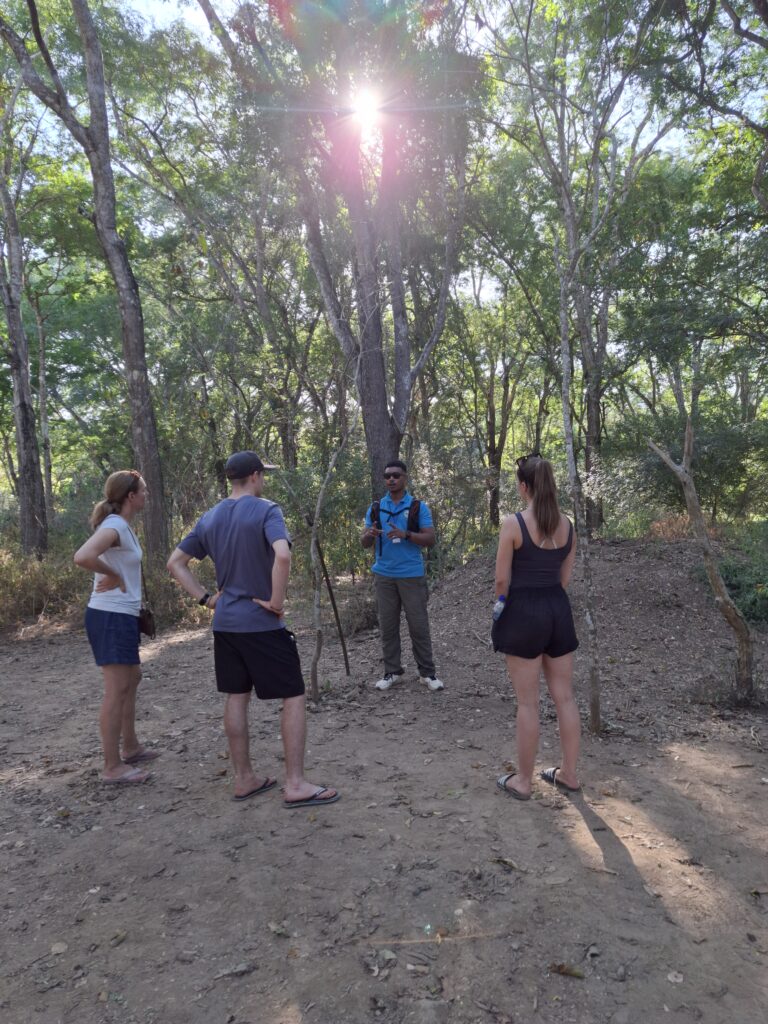
This is the original home of the Komodo dragon (Varanus Komodoensis), the world’s largest living lizard. You can see them up close on guided treks, always accompanied by park rangers carrying forked wooden sticks. These are wild animals and must always be treated with respect.
Rinca Island
Rinca is smaller, less crowded, and closer to the mainland – Flores, making it easier to access. You are also more likely to spot dear, water buffalo, and wild horses here alongside the dragons. Here you can also participate on coral planting activity.
Padar Island
The hike up Padar rewards you with one of the most iconic panoramas in Indonesia – a sweeping view of three bays with beaches of different colours (black, white, and pink). The hike takes about 30-45 minutes and is best done at sunrise.
Pink Beach
One of only handful of pink sand beaches in the world, its color comes from red coral fragments mixed with white sand. The snorkeling just off shore is excellent.
Manta Point
Between November and March, you have a very good chance of swimming with manta rays here. These gentle giants gather at a natural cleaning station.
Taka Makassar
A small sandbank near Manta Point, known for its unique panoramic view. Few people realize that one side of the sandbank has beautiful reefs – often overlooked due to stronger currents.
Turtle Point (Siaba Island)
As the name suggests, this is a popular snorkeling and diving spot for sea turtles. Reef sharks are occasionally seen here as well.
Sebayur Island
One of the best snorkeling spot close to Labuan Bajo, with healthy reefs and abundant marine life.
Komodo National Park Entry Fees & New Permits on 2026
Entry registration and payment are now processed through the SiOra app. Since April 1st, 2026, a maximum visitor quota of 1000 people per day has been implemented, strictly. It is highly recommended to secure your permit and entry in advance – ideally through your chosen tour operator before you confirm your travel dates.
As usual, all trekking in Komodo Island and Rinca Island must be accompanied by an official park ranger. Fees for this activity vary depending on the route and duration you choose.
Best Time to Visit Komodo National Park
The dry season (April to November) is generally the best time to visit. Seas are calmer, visibility for diving and snorkeling is excellent, and the weather is hot and sunny. July and August are the busiest months.
The rainy season (December to March) brings rougher seas and heavy rain. It is quieter, often more affordable, and the best time to see Manta Rays. However it is best to avoid coming on January to March, as the park is often closed due to strong winds and high waves.
Day Trip vs Sailing Trip; Which One is Better?
A day trip from Labuan Bajo allows you to visit 4-6 spots in one day if you start early – typicaly Padar, Komodo Island, Pink Beach, plus one or two snorkeling stops. It is a good option if you are short on time.
A 2 – 3 day sailing trip, however, offers a completely different experience. You wake up anchored in a quiet bay, swim before breakfast, visit places earlier that would not be possible for day-trippers, and watch the sunset from the deck of your boat. If you have time, it is absolutely worth it.
Tips for a Responsible Visit
Komodo National Park is a fragile ecosystem. Please keep the following in mind.
- Do not touch or feed the wildlife.
- Do net step on coral while snorkeling or diving.
- Minimize single-use plastic during your visit. Always ask your operator to provide bigger water gallon rather than small bottles of water.
- Take all rubbish back with you.
- Keep noise levels low around wildlife.
- Choose tour operators and guides that follow responsible tourism practices.
Experience Komodo the Right Way - Thoughtfully Planned, Effortlessly Executed.
Kind Regards,
Rio - Beta Komodo