Quick Insider Tips About Flores & Komodo: Local Things to Know Before You Visit
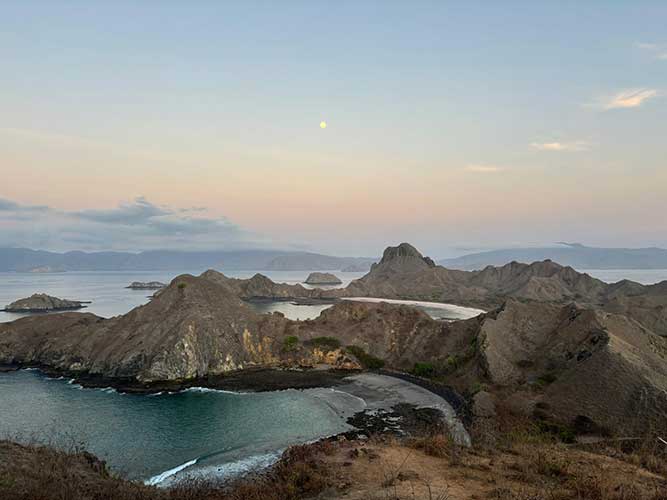
Flores is raw, real, and breathtaking – but it rewards the prepared traveler. Here’s everything locals wish you knew before you arrived.
In This Guide
Visa & Entry Requirements
Most visitors to Indonesia — and therefore Flores — qualify for the Visa on Arrival (VoA), available at major entry points including Labuan Bajo’s Komodo Airport (LBJ). As of 2026, the VoA costs around IDR 500,000 (~USD 30) and grants a 30-day stay, extendable once for another 30 days.
Citizens of ASEAN countries typically enter visa-free. Always verify with the nearest Indonesian consulate of the official immigration website before travel, as regulations can change.
To save time on arrival, you can apply in advance through the official immigration website:
Applying online helps you avoid queues at the airport and makes the entry process smoother.
Tip: Ensure your passport is valid for at least 6 months beyond your travel date. Immigration officers at Labuan Bajo are thorough about this.
Money & Payments
Cash is still king across Flores. In Labuan Bajo, ATMs are available but can run out of cash during peak season, so it’s best to withdraw enough whenever you have the chance and keep some as backup.
Credit cards are usually accepted in larger hotels, restaurants, and tour or dive operators. However, in smaller restaurants and local shops, cash is preferred – and if cards are accepted, there’s often an additional 2–4% fee.
Outside main towns like Ruteng, Bajawa, Ende, and Maumere, ATMs become rare and sometimes unreliable. Overall, local markets and warungs are always cash only.
Tip: Most ATMs have a maximum withdrawal limit of around IDR 2,000,000 per transaction, but you can usually withdraw again immediately after until you reach your daily limit (depending on your card).
Internet & SIM Cards
It’s best to get a local SIM card when you arrive in Labuan Bajo, either at the airport or at a nearby shop. Telkomsel (Simpati or AS) offers the most reliable coverage across Flores and is strongly recommended over other providers. Most accommodations offer Wi-Fi, but it can be slow or unstable.
Once you leave the main towns, connectivity drops significantly. In villages, highland areas, and especially on liveaboards, expect little to no signal. It’s a good idea to download offline maps (Google Maps or Maps.me) before your trip so you can navigate without relying on internet access.
Tip: Ask locals for best internet spot as usually they know certain spot with best internet connectivity.
Choosing Your Accommodation
Labuan Bajo is the most developed area on the island, offering everything from budget guesthouses (around $10 per night) to luxury clifftop resorts. If your main goal is visiting Komodo National Park, it’s best to stay near the harbor, as it’s the main departure point for tours and only about 5 minutes from the airport.
Outside Labuan Bajo, accommodation becomes more limited and simple, especially in places like Ruteng, Bajawa, and Moni near Kelimutu National Park. Here, small family-run homestays are often the best choice—affordable, welcoming, and more connected to local life.
Booking platforms like Booking.com are widely used, but it’s still important to book ahead during peak season (July–August), especially in Labuan Bajo where availability can fill up quickly.
Prices & Cost of Traveling in Flores
Flores is more expensive than Lombok or Bali, mainly because of its remoteness and the popularity of the Komodo liveaboard market. Here’s a rough idea of what to budget:
- Budget / day; USD 30–50;
- Mid-range / day; USD 80–150;
- Local meal; IDR 25–50k;
- Komodo tour; Sharing Day Tour USD 80–100, + sunset tour USD 130-160;
- Car + Driver Rent for land tour ; USD 60-80
Liveaboard trips to Komodo National Park range from budget open-deck boats to luxury phinisi vessels — what you pay makes a big difference in experience. Book in advance during peak season (July–August).
Tip: Always check prices beforehand to avoid surprises.
Activities & Things to Do
Flores offers a wide range of activities that go far beyond the usual island experience. Out on the water, the area around Komodo National Park is one of the best places in Indonesia for diving and snorkeling, with strong currents, vibrant reefs, and rich marine life. On land, Flores is made for exploration – hiking through mountains, camping in remote areas, and experiencing daily life in villages where tourism is still secondary to tradition.
Some destinations stand out as must-visits. The remote Wae Rebo Village offers a unique cultural experience deep in the mountains, while Mount Inerie attracts hikers looking for a challenging sunrise trek. Further east, the iconic crater lakes of Kelimutu National Park provide one of the most memorable landscapes in Indonesia, especially at sunrise.
Beyond the highlights, some of Flores’ best experiences are often overlooked. The islands around Riung offer quieter snorkeling spots, while waterfalls, hot springs, and scenic viewpoints are scattered throughout the island. Cultural sites like Liang Bua Cave and local markets give a deeper look into Flores’ history and daily life. Taking the time to explore these smaller stops often turns a good trip into a memorable one.
Traffic & Transportation
Flores is a long, narrow island connected by the Trans-Flores highway running from west to east. While the journey is incredibly scenic, it’s also slow—driving from Labuan Bajo to Maumere (around 500 km) can take 12–14 hours due to winding mountain roads and varying road conditions. For the best experience, it’s recommended to explore Flores over at least 5 days.
There are a few ways to get around. Renting a motorbike offers flexibility but is best for experienced riders, as roads can be steep and challenging. Hiring a car with a driver is the most comfortable and practical option for overland trips. Alternatively, shared public transport like Gunung Mas operates regularly, with departures every hour from Labuan Bajo to Ruteng.
Tip: Don’t underestimate distances on a map. A 100 km drive in Flores can take 4-5 hours. Always plan with buffer time.
Safety, Etiquette, Do's & Dont's
Flores is generally very safe for travelers, with petty crime being rare outside of busy tourist areas like Labuan Bajo. The main risks are practical rather than security-related – road conditions can be challenging on mountain routes, sea conditions can change quickly, and the tropical sun can be intense. It’s always best to drive carefully, check weather conditions before any boat trip, and stay hydrated.
Flores is also deeply religious and culturally respectful. When visiting traditional villages or religious sites, dress modestly by covering shoulders and knees. Always ask permission before taking photos of people or ceremonies – this small gesture goes a long way and is usually appreciated.
When visiting Komodo Island, always stay with a ranger. Komodo dragons are powerful ambush predators, and while incidents are rare, they can happen.
Tip: For hotel check-in or check-out, a soft copy (photo) of your passport is usually accepted. It’s a good idea to keep your original passport stored safely rather than carrying it everywhere.
Environment, Responsibility, & the Flores People
Flores is ecologically fragile, and places like Komodo National Park are among the most protected marine areas in the world. When snorkeling or diving, never touch coral, feed fish, or take shells or marine life. Choose operators who follow responsible practices – no anchoring on coral and reduced single-use plastics onboard.
On land, plastic waste remains a challenge. Bringing a reusable water bottle is highly recommended, as refill stations are available in Labuan Bajo. When traveling to remote areas, take your rubbish with you and leave places as you found them.
The people of Flores are known for their warmth and curiosity toward visitors. A simple greeting like “Selamat pagi / siang / sore” goes a long way.
Tip: Supporting the local community also matters – choose community-based guides, stay in genuine homestays, and pay fair prices that directly benefit local people.
Weather & Climate
Flores has two distinct seasons. The dry season (May–October) is generally the best time to visit, with calm seas, clear skies, and ideal conditions for diving and outdoor activities. The wet season (November–April) brings heavier rain, rougher seas, and occasionally difficult road conditions—especially around Labuan Bajo, which can get quite stormy between December and February.
Temperatures stay warm year-round, averaging 27–33°C along the coast, while the highlands around Bajawa and Ruteng can be cooler, especially at night (15–22°C). It’s a good idea to bring a light jacket for highland evenings and early mornings at places like Kelimutu National Park.
Tip: If you’re traveling during peak season (July–August), book accommodation and tours in advance, as availability can be limited.
Curious about Flores? I am happy to help you figure it out, no pressure at all — just reach out and let's chat!
Talk to A Local
Kind Regards,
Rio - Beta Komodo