How to Visit Komodo National Park Complete Guide 2026
Komodo National Park is one of the most extraordinary places on Earth. Home to the famous Komodo dragon, pristine coral reefs, dramatic volcanic landscapes, and some of the best diving spots in Southeast Asia, it draws tens of thousands of visitors every year – and for good reason.
But visiting Komodo in 2026 requires a little more planning than it used to. New regulations and permit systems have been introduced to protect this UNESCO World Heritage Site. This guide will walk you through everything you need to know.
Where is Komodo National Park?
Komodo National Park is located in eastern Indonesia, straddling the border between the provinces of East Nusa Tenggara and West Nusa Tenggara. It encompasses three main islands — Komodo, Rinca, and Padar — along with dozens of smaller islands and surrounding waters.
The main gateway to the park is Labuan Bajo, a small harbour town on the western tip of Flores Island. Most visitors fly into Komodo Airport (LBJ) and then join day trips or liveaboard leisure or diving sailing trips into the national park.
Getting to Labuan Bajo
There are daily flights to Labuan Bajo from Bali (Denpasar), Jakarta, and other major Indonesian cities. There are also direct international flights from Kuala Lumpur (Malaysia) and Singapore. The flight from Bali takes about 1.5 hours. Including Air Asia, Garuda Indonesia, Batik Air, Lion Air, and Wings Air operate this route regularly.
From Labuan Bajo, you reach the national park by boat. Day trips typically depart in the morning and return by afternoon. Alternatively, multi-day sailing trips allow you to explore the park at slower pace, sleep under the stars, and reach more locations.
What to See Inside the National Park
Komodo Island
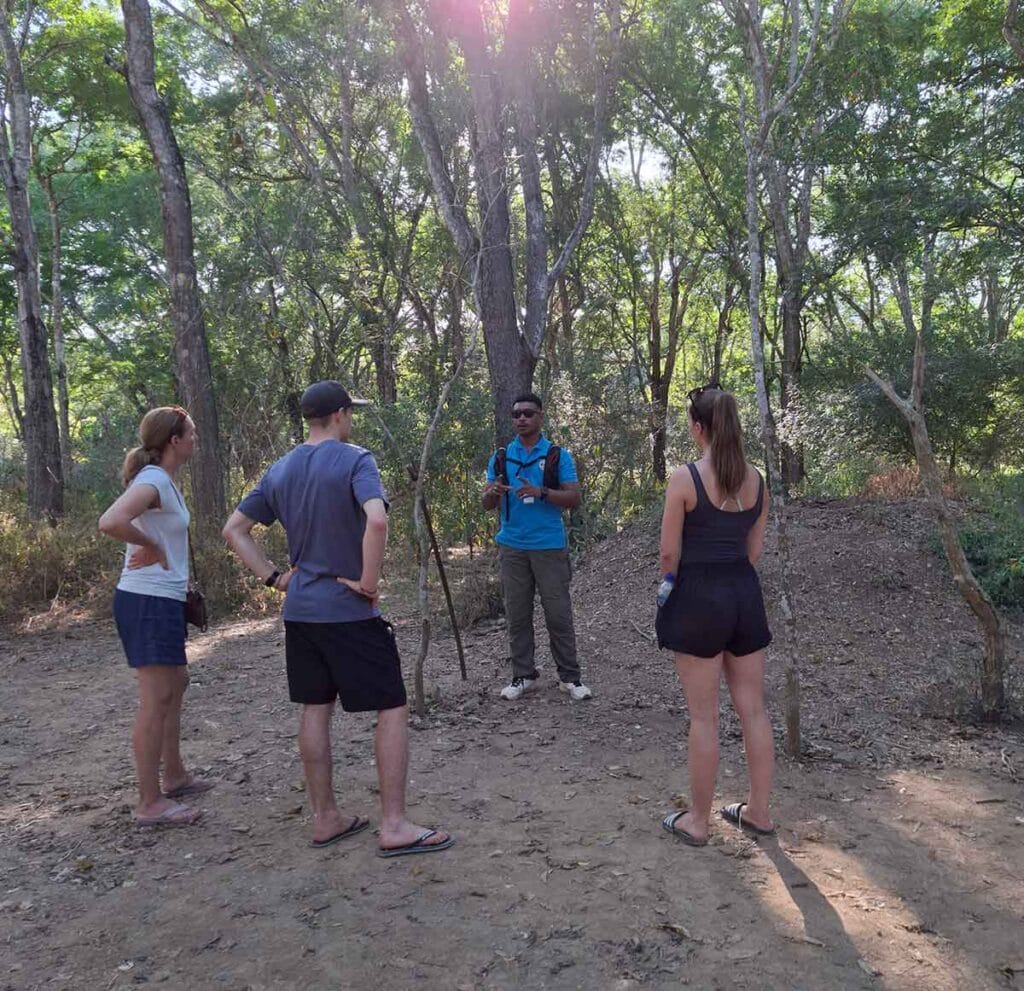
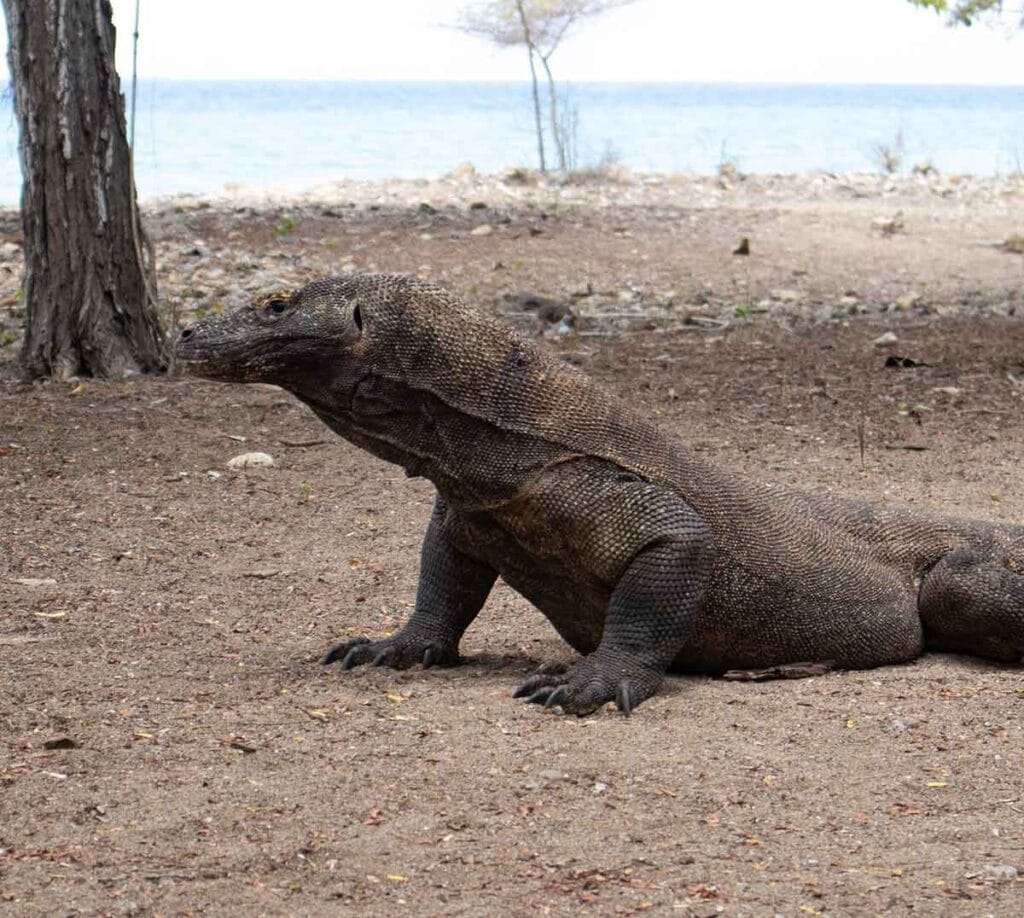
This is the original home of the Komodo dragon (Varanus Komodoensis), the world’s largest living lizard. You can see them up close on guided treks, always accompanied by park rangers carrying forked wooden sticks. These are wild animals and must always be treated with respect.
Rinca Island
Rinca is smaller, less crowded, and closer to the mainland – Flores, making it easier to access. You will also more likely to spot deer, water buffalo, and wild pigs here alongside the dragons. Here you can also participate on coral planting activity.
Padar Island
The hike up Padar rewards you with one of the most iconic panoramas in Indonesia – a sweeping view of three bays with beaches of different colors (black, white, and pink). The hike takes about 30-45 minutes and is best done at sunrise of sunset.
Pink Beach
One of only handful of pink sand beaches in the world, its color comes from red coral fragments mixed with white sand. The snorkeling just off shore is excellent.
Manta Point
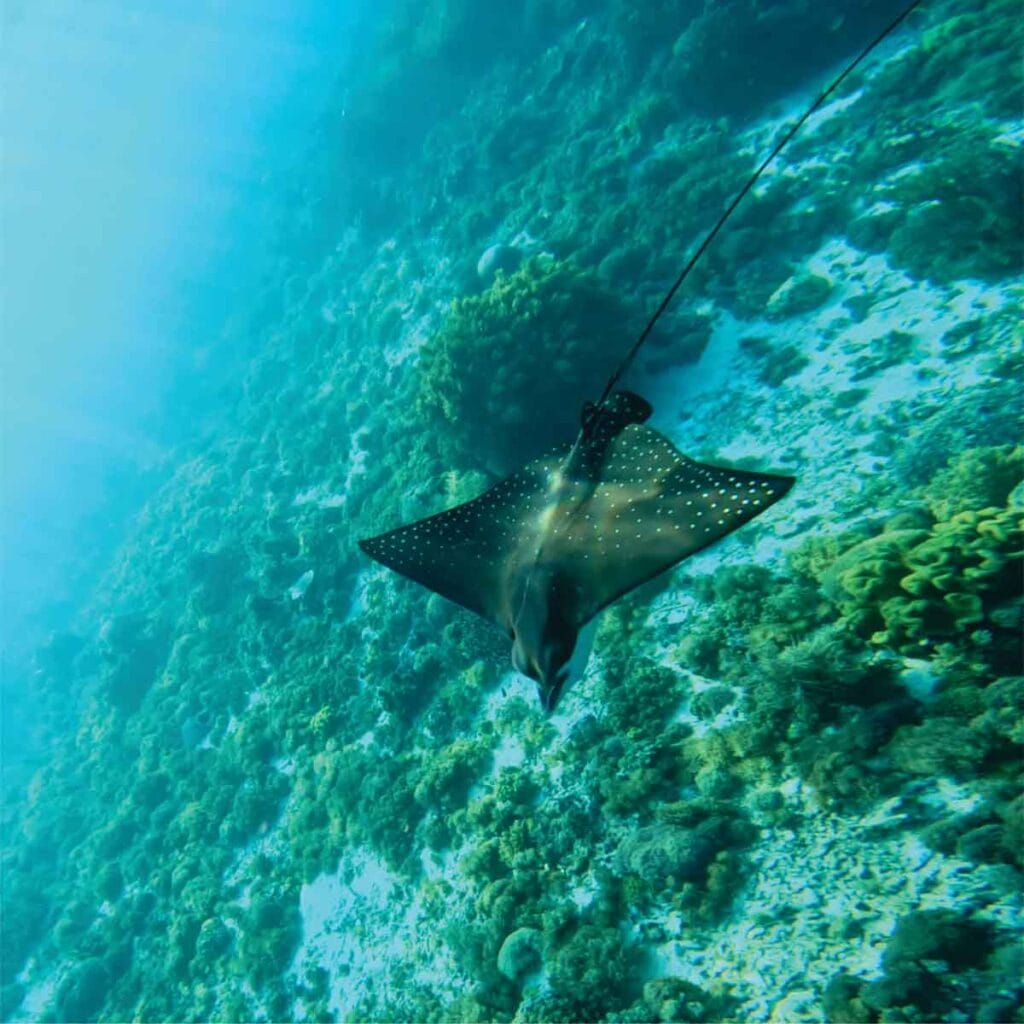
Between October to April, you have a very good chance of swimming with manta rays here. These gentle giants gather at a natural cleaning station.
Taka Makassar
A small sandbank near Manta Point, known for its unique panoramic views. Few people realize that one side of the sandbank has beautiful reefs – often overlooked du to stronger currents.
Siaba Island / Turtle Point
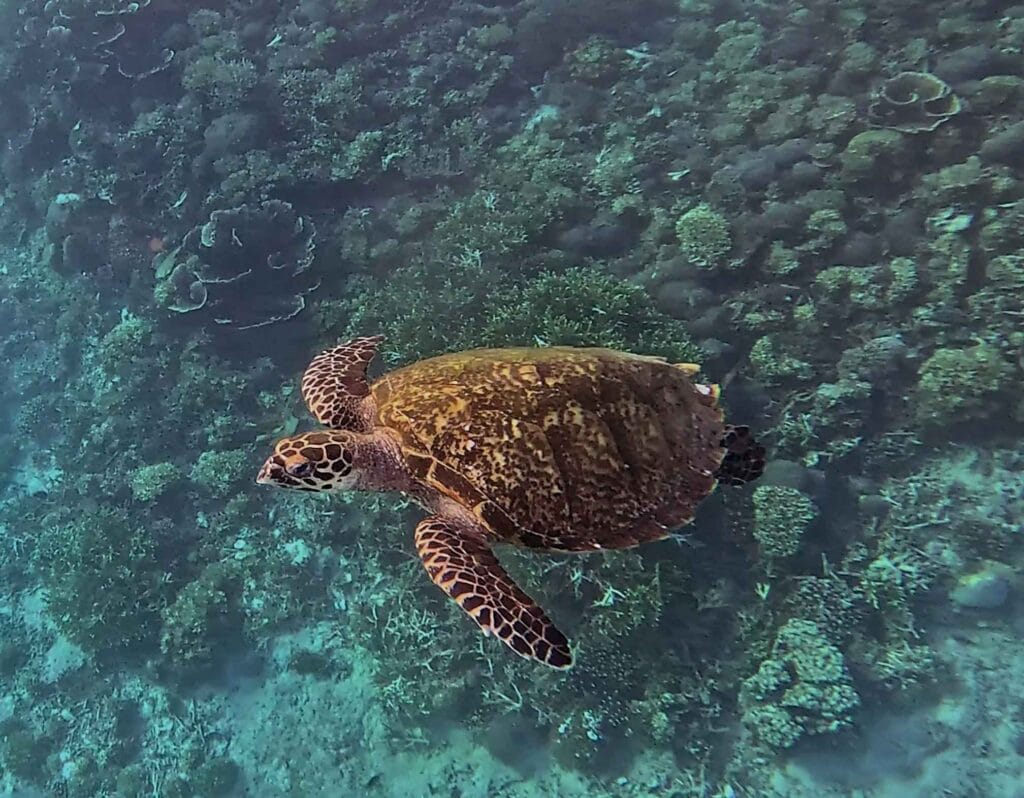
As the name suggests, this is a popular snorkeling and diving spot for sea turtles. Reef sharks are occasionally seen here as well.
Sebayur Islands
One of the best snorkeling and diving spot close to Labuan Bajo, with healthy reefs and abundant marine life.
Kalong Island
Kalong Island comes alive at sunset, when thousands of flying foxes (giant fruit bats) rise from the mangroves and fill the sky in a dramatic, almost surreal migration. Boats usually anchor nearby in the late afternoon, letting you watch the spectacle from the deck as the sky shifts from gold to deep purple—one of the most memorable and quietly magical moments in Komodo.
Strawberry Rock
Strawberry Rock is a striking coastal formation with soft pinkish hues and layered textures that resemble the surface of a strawberry. Accessible by boat, it’s a lesser-known stop that offers a unique backdrop for photos and a quiet break away from the busier islands, especially during calm sea conditions.
Manjarite Beach
Manjarite Beach is a calm, shallow snorkeling spot known for its crystal-clear water and easy access straight from the jetty. It’s perfect for a relaxed swim, with vibrant coral gardens and small reef fish just beneath the surface, making it ideal for beginners or anyone easing into their first day on the water.
Gili Lawa / Gili Laba Darat
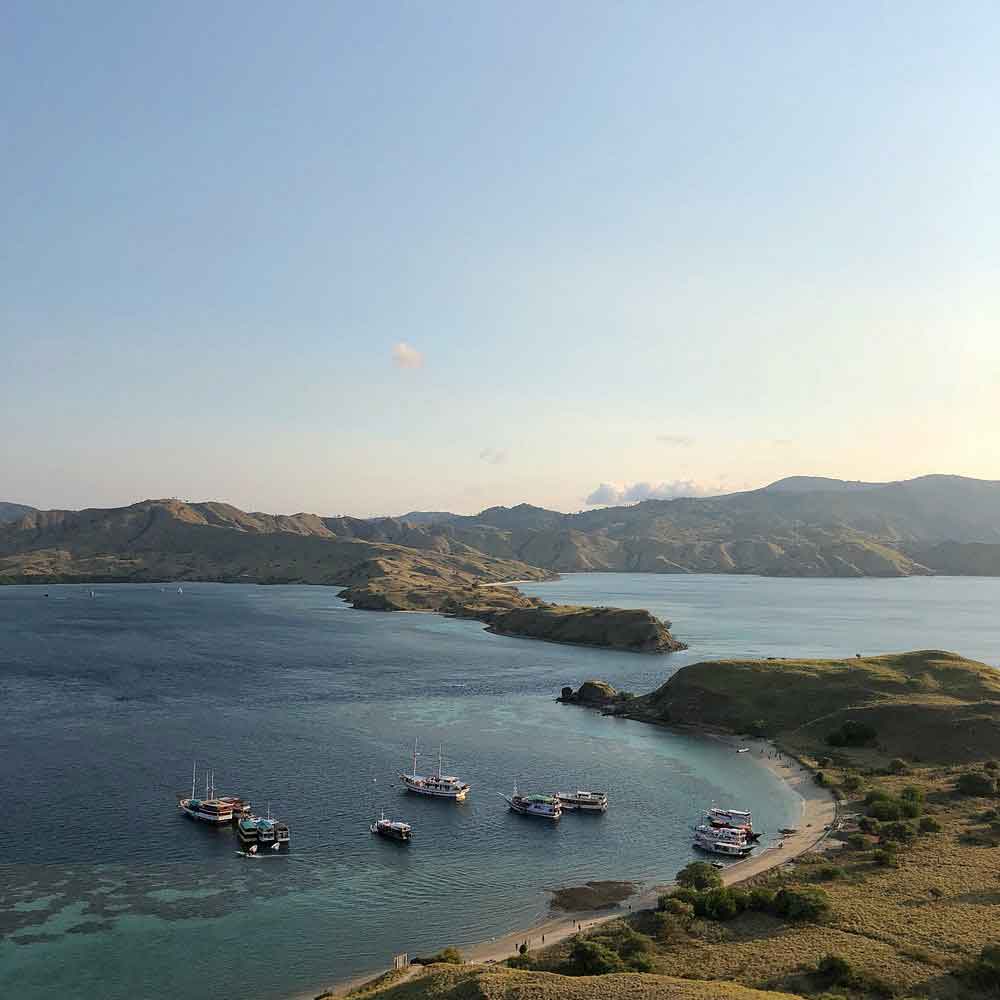
Gili Lawa Darat is famous for its panoramic hilltop views, where a short but steep hike rewards you with sweeping vistas of turquoise bays, rugged islands, and open sea. It’s especially popular at sunrise and sunset, when the light transforms the landscape into one of the most iconic scenes in Komodo National Park.
Kanawa Island
Kanawa Island is a small tropical island surrounded by bright turquoise water and thriving coral reefs just steps from the beach. With its powdery white sand, swaying palms, and excellent snorkeling right off the shore, it’s often a favorite for a laid-back afternoon of swimming, sunbathing, and reef exploration.
Diving Spots (Mawan, Batu Bolong, Crystal Rocks, etc)
Batu Bolong and other world-class dive sites in Komodo offer some of the richest marine biodiversity on the planet. Expect strong currents, dramatic reef structures, and encounters with reef sharks, manta rays, turtles, and massive schools of fish. These sites are best suited for experienced divers, but they deliver unforgettable underwater action that ranks among the best in Southeast Asia.
Komodo National Park Entry Fees & New Permits on 2026
Entry registration and payment are now processed through SiOra app. Since April 1st, 2026, a maximum visitor quota of 1000 people per day has been implemented, strictly. It is highly recommended to secure your permit and entry in advance – ideally through your chosen tour operator before you confirm your travel dates.
As usual, all trekking in Komodo Island and Rinca Island must be accompanied by an official park ranger. Fees for this activity vary depending on the route and duration you choose.
Best Time to Visit Komodo National Park
The dry season (April to November) is generally the best time to visit. Seas are calmer, visibility for diving and snorkeling is excellent, and the weather is hot and sunny. July and August are the busiest months.
The rainy season (December to March) brings you rougher seas and heavy rain. It is quieter, often more adorable, and the best time to see Manta Rays. However it is best to avoid coming on January to March, as the park is often closed due to strong winds and high waves.
Day Trip vs Sailing Trip; Which One is Better?
A day trip from Labuan Bajo allows you to visit 4 – 6 spots in one day if you start early – typically Padar, Komodo Island, Pink Beach, plus one or two snorkeling stops. It is the best option if you are short on time.
A 2 – 3 day sailing trip, however, offers a completely different experience. You wake up anchored in a quiet bay, swim before breakfast, visit places earlier that would not possible for day-trippers, and watch the sunset from the deck of your boat. If you have time, it is absolutely worth it.
Make sure you’re well informed about how many days you’ll need on Flores before your visit.
Tips for a Responsible Visit
Komodo National Park is a fragile ecosystem. Please keep the following in mind.
- Do not touch or feed the wildlife;
- Do not step on coral while snorkeling or diving;
- Minimize single-used plastic during your visit, especially mineral water bottle. Bring your refillable bottle and always ask your operator to provide bigger water gallon rather than small bottles of water, since this is the main source of trash.
- Take all your rubbish back with you from the park.
- Keep noise levels low around wildlife.
- Choose tour operators and guides that follow responsible tourism practices.
Frequently Asked Questions
Is it worth visiting?
Yes, it offers a rare combination of wildlife, landscapes, and marine life found nowhere else.
Can you see the dragons in the wild?
Yes, with park rangers on Komodo Island or Rinca Island.
Are Komodo dragons dangerous to humans?
Yes, but attacks are rare. They are apex predators — always stay with your ranger.
Is it safe to be close to the dragons?
Only with a certified ranger. Never wander off the trail alone.
Are the dragons drugged for tourist photos?
Park authorities say no. Their stillness is attributed to being well-fed and resting after a large meal.
What do the dragons eat?
Deer, wild boar, and water buffalo — and sometimes each other.
How to get to there?
Get to Labuan Bajo, Flores. Then take a boat to the islands.
When is the best time to visit?
April to November for land; September to November for diving and manta rays. Avoid July and August — hottest, busiest, most expensive.
Can I fly a drone?
Yes, with special permit. Costs IDR 2.000.000,- perday. Not allowed near Kalong and Rinca Islands..
What rules must I follow?
Don’t feed wildlife. Stay on marked paths. No touching coral. Take your trash out.
What are the new visitor rules for 2026?
Capped at 1,000 visitors per day starting April 2026, split into three sessions. Book early.
Curious about Komodo National Park and what comes next? Leave your email and let’s shape your journey together — one thoughtful step at a time.
Talk to A Local
Kind Regards,
Rio - Beta Komodo